Artificial intelligence (AI) sits at the heart of modern innovation, quietly reshaping the way we live, work, and connect. Yet, this power doesn’t just reside in cutting-edge robots or futuristic dreams—it’s embedded in everyday life, from the voice assistant answering questions to the recommendation engine suggesting tomorrow’s favorite movie. Exploring AI’s vast landscape reveals an intricate web of history, technology, and potential, and this article aims to offer a fresh, human perspective beyond generic summaries.
Understanding Artificial Intelligence
At its simplest, AI is a branch of computer science that enables machines to mimic human actions such as learning, reasoning, and problem-solving. Think of it as creating digital minds capable of making sense of data, understanding language, and making choices—sometimes faster and more consistently than humans themselves. For instance, AI can read a scan to help detect disease, spot fraudulent transactions before harm is done, or drive a car through city streets without human intervention.
Types of AI: Beyond Buzzwords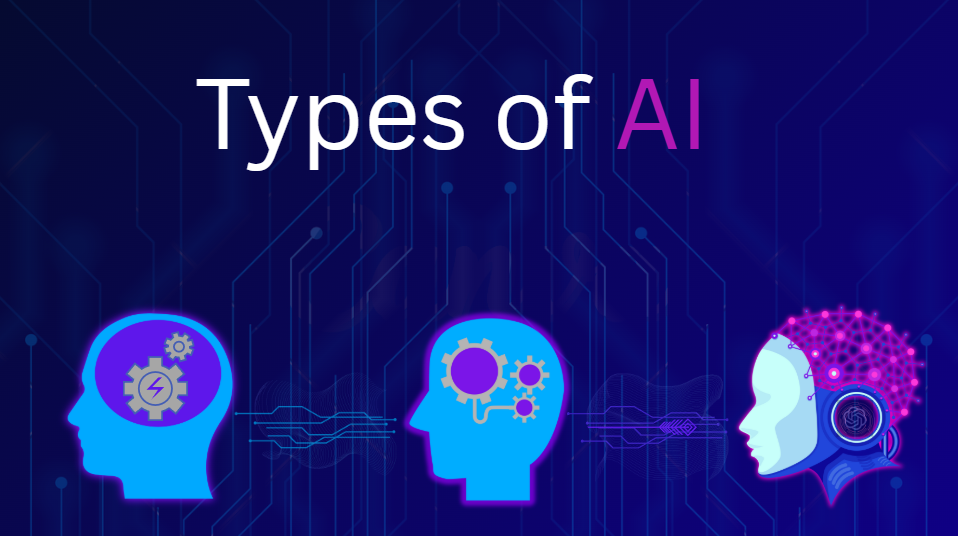
AI comes in many shades, each with its own strengths:
- Narrow AI (also called Weak AI): The specialist. It excels at one task—whether recognizing faces in photos or playing a chess match. Siri, Alexa, and movie recommendation systems all fall here, impressive but limited in scope.
- General AI: The dreamer’s AI. This is the holy grail: a system as clever and adaptable as a person, able to switch tasks effortlessly and learn from new experiences. No machine has achieved this fully—but it remains a rich field for research.
- Superintelligent AI: Here, machines would surpass anything human minds can do. While fascinating in theory (and central in science fiction), society is still debating the risks and ethics long before these systems become reality.
From another angle, AI systems range from those that only react to current data—like simple recommendation engines—to those that remember past actions and learn over time, such as self-driving cars analyzing road conditions. Visionaries even imagine future AI that understands emotions and intentions, or one day becomes conscious of itself. These ideas, while captivating, remain mostly speculative today.
A Journey Through AI’s History
AI’s roots stretch back to ancient automata myths, but its formal birth happened in the mid-20th century. Alan Turing’s famous question—“Can machines think?”—sparked decades of breakthroughs and setbacks. In 1956, the Dartmouth Conference formally coined “artificial intelligence,” marking the start of a scientific quest. Early expert systems mapped out rules for doctors or engineers; the real leap came later, as computers could finally learn from data instead of relying only on pre-set logic.
Recent history features the rise of deep learning—algorithms that teach computers to interpret images, speech, or huge text archives, sometimes faster and better than people. Technologies like GPT have pushed the boundaries of what machines can understand and create.
The World of AI in 2025
Looking around today, AI’s fingerprints are everywhere. Healthcare benefits from predictive analytics and virtual assistants; manufacturing automates routine tasks for greater efficiency; and content creators embrace AI-powered tools for brainstorming, editing, and drafting. In workplaces, AI agents plan projects, summarize meetings, and automate mundane paperwork so professionals can focus on meaningful work.
Notably, society debates how much decision-making AI should handle on its own, and conversations around ethics, transparency, and sustainability lead the dialogue. Multimodal AI—systems that understand text, images, and video together—are breaking new ground, while generative AI enables the creation of lifelike stories, music, and artwork.
Making AI Work for Humans
It’s tempting to lean on technology for everything, but experts across industries emphasize a balanced partnership. The best results come when human creativity guides, reviews, and customizes what AI produces. Fact-checking, unique storytelling, and real-world perspectives add the authenticity and nuance no machine alone can replicate.
Instead of flooding readers with generic content, top creators prioritize value, clarity, and original voice. They restructure AI-drafted paragraphs, insert verified statistics, and personalize material so it resonates with real experiences. Tools can handle the repetitive chores; humanity brings meaning, differentiation, and trust.
Where to Explore Further
For readers eager to dive deeper, the following resources blend up-to-date research and practical wisdom:
Harvard CS50 (Introduction to AI with Python)
IBM Think (What Is Artificial Intelligence)
Stanford HAI (The 2025 AI Index Report)
McKinsey Insights (AI in the Workplace 2025)
Built In (7 Types of AI)
GeeksforGeeks (Types and History of AI)
Microsoft News (AI Trends 2025)