Ranking high isn’t about secret tricks; it’s about understanding what Google and more importantly, your readers truly want. Inspired by deep dives into search engine mechanics, we’ve compiled 9 powerful strategies to boost your rankings and make your content irresistible.
Let’s dive in.
1. Structure Your Page For Skimmers (Not Just Readers)

Most people don’t read word-for-word online they scan. Your page layout is your first tool for engagement.
· Tactic: Break up large chunks of text with descriptive headings (H2, H3). Use bullet points (like this list!), numbered steps, and bold key phrases to guide the eye.
· Visual Placement:
· Text Boxes: Use a contrasting text box to highlight a key takeaway or a important definition. For example, a box explaining “E-E-A-T” (see point 3).
· Images: Place a relevant image or infographic after your introduction and between major sections to illustrate concepts and give the reader a visual break.
 Digital Budge Tip: A well-structured page signals to Google that your content is user-friendly, which is a direct ranking factor.
2. Optimize for Core Web Vitals: Speed is Non-Negotiable

Improving your website’s loading speed plays a critical role in creating a positive user experience. When a website loads quickly, visitors are more likely to stay engaged, explore multiple pages, and build trust in your brand. A fast website not only keeps users satisfied but also signals professionalism and reliability, which can significantly increase conversions and customer loyalty.
There are three primary metrics used to evaluate and measure website speed:
-
- Largest Contentful Paint (LCP): This metric measures how quickly the main content of a page becomes visible to users.
-
- First Input Delay (FID): This tracks how responsive your website is when users first try to interact with it.
-
- Cumulative Layout Shift (CLS): This measures the stability of your page, ensuring that elements don’t unexpectedly move while users are browsing.
By focusing on these key metrics and optimizing performance, you can ensure your website not only loads faster but also delivers a smooth, trustworthy, and enjoyable browsing experience.
3. Build Trust (with EEAT)

Google rewards content that demonstrates Experience, Expertise, Authoritativeness, and Trustworthiness (E-E-A-T).
· How to do it: For a “how-to” article, explain your personal experience with the method. For a financial advice post, cite authoritative sources. Show why you are qualified to write on this topic.
· Page Layout Tip: Add a clear “About the Author” bio box at the end of the article with a photo and credentials. This builds immediate trust with the reader and Google.
4. Answer the User’s Question Directly
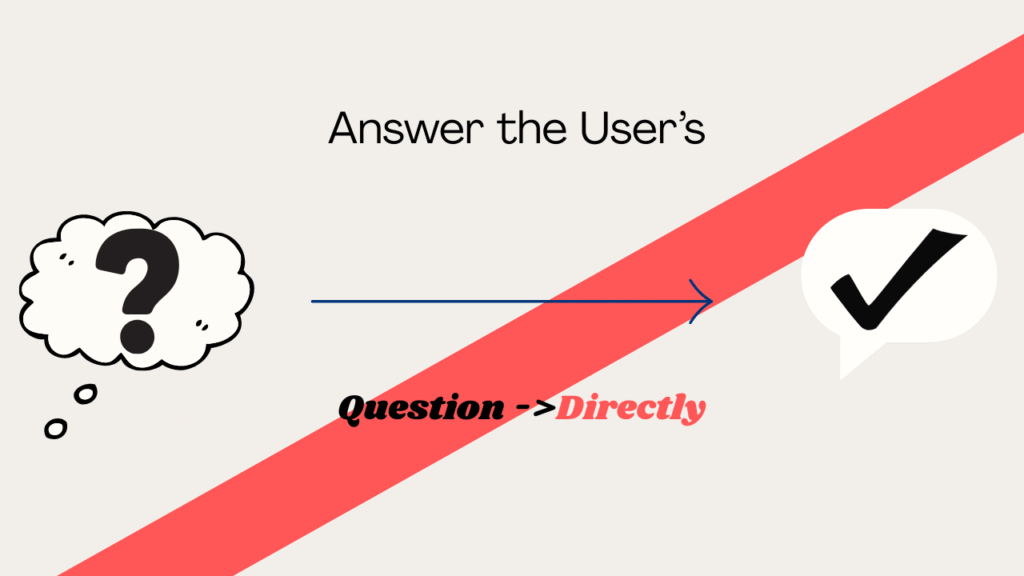
Many websites beat around the bush. Your goal is to be the most direct and helpful result.
· Tactic: State clearly what your article is about in the introduction. If the title is “9 Ways to Rank Higher,” your first paragraph should confirm that the reader has come to the right place to solve that exact problem.
5. Keep Your Content Fresh & Updated

Google favors fresh, relevant information. An article from 2018 about social media algorithms is likely outdated.
· Tactic: Schedule quarterly content audits. Revisit old posts, update statistics, add new information, and refresh examples. This tells Google your content is a reliable, current source.
6. Make Your Content Believable and Effective

Quality beats quantity every time. A well-researched, 1,000-word article is better than a fluffed-up 2,000-word one.
· Tactic: Support your claims with data, link to reputable external sources, and provide real-world examples. This builds credibility and encourages other sites to link to you (a major ranking factor).
7. Use Schema Markup (Your Secret Weapon)

Google’s crawlers don’t “see” a page like a human. Schema markup is a code you add to your site that gives Google explicit clues about your content.
· What it does: It can help your listing in the search results become a “rich snippet” with star ratings, FAQ boxes, or event details, dramatically increasing click-through rates.
[Our deep dive into implementing Schema Markup for beginners is coming soon!]
8. Create a Cohesive Content & Promotion Plan
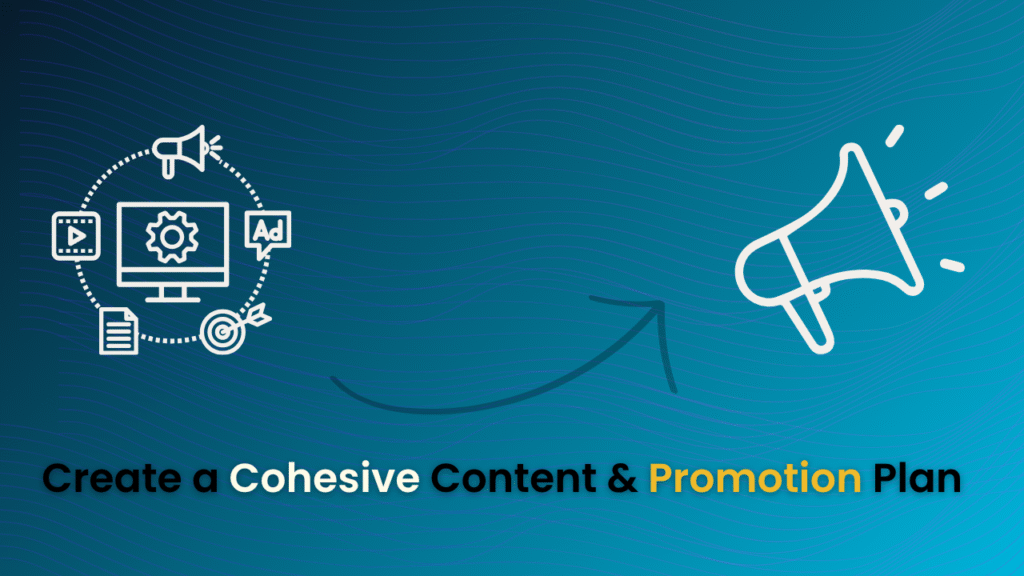
Ranking isn’t just about on-page tricks. You need a strategy.
· Planning: Consistently publish high-quality content.
· Promotion: Share your articles on relevant social media channels and online communities. Great content deserves a great audience.
9. Build High-Quality Backlinks (The King of SEO)
Backlinks are links from other websites to yours. They are like votes of confidence. A single link from a highly authoritative site like a major news publication or industry leader is incredibly powerful.
· How to get them: You can’t just ask. You earn them by creating exceptional “link-worthy” content like original research, groundbreaking guides, or powerful tools.
This is a huge topic, so we’ve broken down the best strategies for building backlinks:
· [The Outreach Method: How to Politely Ask for Links]
· [Creating “Link-Bait” Content That Attracts Links Naturally]
· [Using HARO to Become a Source for Journalists]
In the end…
Ranking higher on Google is a marathon, not a sprint. By focusing on your users with a clean page layout, trustworthy content, and a solid technical foundation, you send all the right signals to Google. Start implementing these strategies today, and watch your digital presence grow.